
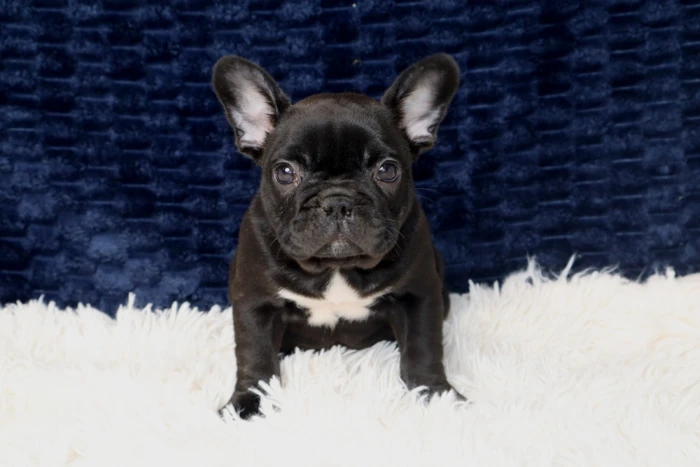
You’ve waited months for the moment your French Bulldog puppy finally arrives home, and instead of the playful, confident pup you met at our kennel, they’re hiding under the couch, refusing to eat, and crying through the night. You’re panicking. Did I get a sick puppy? Did I make a mistake?
Take a deep breath. This is completely normal.
After placing hundreds of French Bulldog puppies with families across the country, we at Blue Diamond Family Pups have seen this scenario play out more times than we can count. The first 72 hours are challenging. They’re also the foundation for your entire relationship with your new best friend. Understanding what’s happening in your puppy’s brain during this transition period helps you respond with patience instead of panic.
Here’s what you need to know about those crucial first three days, why your puppy might act completely different from what you expected, and the proven strategies that actually work to help them adjust.
What’s Really Happening in Your Puppy’s Brain
Your French Bulldog puppy has never been alone. Ever. From the moment they were born until they left Blue Diamond Family Pups at 8 to 12 weeks old, they’ve been surrounded by their mother, siblings, and the only environment they’ve ever known. They’ve spent every single day snuggled up with their littermates, playing together, eating together, sleeping in one big puppy pile.
Then suddenly, everything changes. New smells. Different sounds. Strange people. Unfamiliar surfaces under their paws. And most importantly, no siblings.
Think about it from their perspective. This would be like you waking up tomorrow on a completely different planet where nothing looks, sounds, or smells familiar, and everyone you’ve ever known has vanished. You’d probably cry too.
Young puppies usually experience stress differently from adult dogs. Their stress hormone levels spike during big changes, which directly affects their appetite, sleep patterns, and bathroom habits. Even the most confident, outgoing puppy you met at our place might seem subdued or anxious in a new environment. This doesn’t mean there’s something wrong with your puppy. It means they’re processing an enormous amount of new information all at once.
The good news? Puppies are incredibly resilient. Their brains are built for adaptation. The adjustment period is temporary, usually lasting between two and seven days. And because all our puppies at Blue Diamond Family Pups receive Early Neurological Stimulation during their first two weeks of life, they handle stress better than puppies raised without this protocol. You’ll see the benefits of ENS during these first few days. Your puppy will bounce back faster.
Normal Behaviors That Worry New Puppy Parents
Let’s talk about what you might see during those first 72 hours. Some behaviors will surprise you. Others might worry you. Most are completely normal.
When Your Puppy Won’t Eat
This is probably the most common concern we hear from new families. Your puppy takes one sniff of their food bowl and walks away. They might eat a few kibbles and stop. Or they might refuse food entirely for the first 12 to 24 hours.
Stress suppresses appetite. The food and water taste different than what they’re used to, even if you’re feeding the exact same brand we sent home with you. The bowl is different. The location is different. Everything feels wrong to them right now.
What helps: Offer small amounts of food frequently rather than leaving a full bowl out. Try hand-feeding. Add a little warm water to their kibble to release the aroma and make it easier to eat. Some puppies respond better to eating from your hand than from a bowl during those first couple of days. If your puppy refuses to eat food for more than 24 hours, or if they’re also lethargic or vomiting, call us or your vet. But in most cases, their appetite returns within 48 hours once they start feeling more comfortable.
Sleeping More Than Usual
You might notice your puppy sleeping way more than you expected. They crash for hours at a time. When they’re awake, they seem tired and subdued.
Processing stress is exhausting for a young brain. If your puppy traveled by flight nanny or ground transport, they’re dealing with travel fatigue on top of the emotional stress of separation. Their little bodies and brains need extra rest to cope with all the new stimuli they’re experiencing.
Let them sleep. Don’t wake them up to play or cuddle. Sleep is healing. Your puppy will perk up naturally as they adjust. If they’re sleeping but still wake up responsive, eating, and moving normally when awake, you’re fine. Watch for lethargy where they can’t be roused or won’t wake even for food. That’s different and requires a vet call.
The Crying and Whining
This one breaks hearts. Your puppy cries in their crate. They whine when you step out of sight. At night, the crying can go on for what feels like forever.
They’re not being difficult. They’re scared. They miss their siblings. Imagine being eight weeks old and experiencing your first night alone ever. For their entire life until now, they’ve fallen asleep curled up with warm, breathing bodies all around them. Now they’re by themselves in the dark.
This is where the Sibling Scented Heartbeat Puppy Pal we offer to every Blue Diamond Family Pups family becomes absolutely crucial. That stuffed toy carries the scent of your puppy’s littermates because it’s been in with the litter before they left. When your puppy smells it, their stress level drops. The heartbeat feature mimics the feeling of sleeping next to their mom and siblings. It’s like a security blanket for kids, except it actually works.
Place the Heartbeat Puppy Pal in their crate from day one. Let them sleep with it every night. Don’t wash it for at least two weeks, no matter how tempted you are. That scent is doing important psychological work. We hear from families months later that their dogs still sleep with their puppy Pal every single night.
For nighttime crying, resist the urge to take your puppy out to play or bring them into your bed unless you plan to do that forever. Check if they need to potty. Provide calm reassurance with your voice or by placing your hand near the crate. The first night is always the hardest. Night two gets better. By night four or five, most puppies are sleeping through longer stretches.
Following You Everywhere
Some puppies become velcro dogs immediately. They follow you from room to room. They panic if you’re out of sight. They want to be held constantly.
You’ve become their new security anchor. You’re the stable thing in their chaotic new world. This clingy behavior is actually a positive sign that they’re bonding with you. Allow it during the first few days. As Frenchies gain confidence in their new home environment and situation, they’ll naturally become more independent. Forcing separation too early just increases their stress.
Hiding or Refusing to Explore
Other puppies take the opposite approach. They find a spot under the couch or behind a chair and plant themselves there. They’re cautious about moving around or checking things out.
Some Frenchies have more reserved temperaments than others. That’s one reason we do professional temperament testing on every puppy at Blue Diamond Family Pups before placement. We match personality to family lifestyle. A cautious puppy might take an extra day or two to warm up, but they will warm up.
Don’t force interaction. Let them come to you. Create a quiet, safe zone where they can retreat and feel secure. This could be their crate, a playpen, or a quiet corner with their bed. Make sure this area includes their Heartbeat Puppy Pal, water, and a few safe toys. Kids and other pets should know this is a no-stress zone where the puppy doesn’t get bothered.
More Accidents Than Expected
House training seems to go backward. Your puppy has accidents in the house, even though they were doing well at the kennel. They might even pee or poop in their crate, which puppies usually avoid.
Stress affects bladder and bowel control. Your puppy is also learning a completely new routine in a completely new space. The spot where they’re supposed to go potty looks and smells different. Everything takes longer to process when you’re stressed and overwhelmed.
Increase potty breaks. Take them out every hour when they’re awake, plus immediately after they eat, drink, wake up, or finish playing. Use an enzymatic cleaner like Nature’s Miracle or Rocco & Roxie on any accidents inside. These products break down the odor molecules that tell puppies this is an acceptable potty spot. Regular cleaners just mask the smell. Stay patient and consistent. The accidents will decrease as your puppy settles in.
A Completely Different Personality
This confuses people the most. The bold, playful puppy they met at pickup seems anxious and withdrawn at home. Or the calm, gentle puppy is suddenly hyper and restless.
Stress temporarily suppresses true personality. You’re seeing your puppy in survival mode right now, not their authentic self. Within a week, their real personality will emerge. The puppy you met at our kennel is still in there. They just need time to feel safe enough to let it show.
Every single puppy we’ve placed has shown this temporary personality shift. Every single one has returned to their normal self within days. Trust the process.
Hour by Hour Through the First Three Days
Let’s walk through what typically happens hour by hour. Your experience might vary slightly, but this gives you a roadmap so you know what to expect.
Day One: Arrival
The first two hours are information overload. Your puppy is taking in everything. Every smell, every sound, every sight is new and requires processing. They might explore cautiously, sniffing everything they can reach. They might have an accident because they’re too distracted to remember house training.
Keep things calm and quiet. No big welcome parties yet. Show them their potty area immediately when you arrive home. Offer water right away. Let them explore at their own pace without forcing anything. Introduce one family member at a time rather than overwhelming them with everyone at once.
Hours three through six, reality sets in. They’ve realized this isn’t a quick visit. They’re staying here. That’s when you might see them crash for a long nap. When they wake up, they might cry or seem disoriented. They might refuse their first meal.
Offer a small meal using the food we sent home with you. Take them to their potty area after naps and after eating. Introduce their crate or safe space. Put the Heartbeat Puppy Pal inside so they start associating that space with comfort. Keep all interactions gentle and low-key.
The first evening brings increased anxiety. Missing their siblings becomes acute. You’ll see more crying, more restlessness, more searching behavior. This is when that Heartbeat Puppy Pal really proves its worth. The familiar scent combined with the heartbeat sound helps tremendously.
Set up their sleeping area now. We recommend placing the crate near your bed so they can smell you during the night. Use a cover over the crate to create a den feeling. Make sure the Heartbeat Puppy Pal is inside. Some families add a ticking clock or play soft white noise to create a calming atmosphere.
The first night is brutal. Let’s be honest. Your puppy will probably cry on and off through the night. This is the longest stretch they’ve ever gone without their littermates. You’ll need to wake up once or twice for potty breaks. When they cry, check for potty needs first. If they’re dry, provide calm reassurance, but don’t take them out to play or snuggle unless you want that to become the nightly routine. Place your hand near the crate. Speak softly. Then let them work through it.
Remember, this is the hardest night. It genuinely does get better.
Day Two: Small Signs of Progress
The morning of day two usually brings a slight improvement. Your puppy is starting to learn the routine. They might still be cautious, but you’ll see small signs of confidence emerging. Maybe they greet you with a tail wag. Maybe they show interest in a toy.
Establish a consistent routine now. Potty break first thing. Then breakfast. Then playtime. Then nap. Consistency helps puppies feel secure because they can predict what happens next. Keep your play sessions short, around five to ten minutes. Let them rest between activities.
By afternoon, you might notice improved appetite. They’re eating more of their meals. Their personality is starting to peek through. You’ll see moments of playfulness mixed with cautious behavior. Take lots of photos and videos during day two because you’ll be able to see visible progress when you compare them to day one.
Continue frequent potty breaks every hour or two when they’re awake. Use the same command words each time so they start making the connection. Introduce appropriate toys and start gentle handling to get them used to being touched all over their body.
Night two is typically easier than night one. There might still be some crying, but less intense and for shorter periods. They’re starting to accept this new normal. You might see improvement in how long they sleep between potty breaks. Stick with the same bedtime routine you established the first night. Consistency matters more than anything else right now.
Day Three: Turning the Corner
Most puppies turn a corner on day three. The fog is lifting. They’re noticeably more comfortable and confident. They play more. They eat better. They sleep in longer stretches at night. Their true personality is beginning to show through.
You can start introducing more activity now. Let other family members spend more time with the puppy. Begin short training sessions. Practice name recognition and basic recall. Maintain the schedule you established over the previous two days because that structure continues to provide security.
By hour 72, you should see clear signs of successful adjustment. Your puppy is eating at least 75 percent of their meals. They’re playing with toys spontaneously rather than just when you encourage them. They greet you with obvious excitement. They’re following you around confidently instead of anxiously. They’re making eye contact and responding when you say their name. Most importantly, you’re seeing the real personality we described to you before placement.
If you’re not seeing this level of improvement by day three or four, reach out to us. We’re here to help troubleshoot. But in the vast majority of cases, day three marks the beginning of your puppy truly settling into your home and family.
What Sets Our Puppies Up for Success
You might wonder why we’re so confident about the adjustment process. We’ve done this hundreds of times, yes. But more importantly, we’ve built Blue Diamond Family Pups specifically to produce puppies that handle stress and change better than average.
Every single puppy born at Blue Diamond Family Pups receives Early Neurological Stimulation between days three and sixteen of life. ENS involves five specific exercises performed daily during this critical development window. The research behind ENS comes from the military working dog program. Studies show that ENS puppies have stronger cardiovascular systems, more stress tolerance, better problem-solving abilities, and greater confidence than puppies raised without this protocol.
What does this mean for you during those first 72 hours? Your ENS puppy will adapt faster. They’ll bounce back from stress more quickly. Our data shows ENS puppies typically adjust one to two days faster than average. That might not sound like much, but when you’re dealing with a crying puppy at 2 AM, those extra days make a huge difference.
Beyond ENS, we focus heavily on socialization from week three onward. Every puppy gets handled daily by multiple people. They are exposed to many sounds, such as vacuum cleaners, doorbells, and kitchen activities. Our puppies interact with other adult dogs beyond their mother. They experience different surfaces under their feet, including carpet, tile, grass, and gravel. They play with children.
This extensive socialization gives your puppy a toolkit for handling new experiences. Nothing in your home will be completely foreign because they have been prepared for variety. The sounds won’t scare them as much. The surfaces won’t feel as strange. The handling won’t stress them out. All of this preparation makes the transition smoother.
We also invest in professional temperament testing for every puppy before placement. A trained evaluator assesses each pup for confidence, social interest, energy level, prey drive, and sound sensitivity. Then we match personality to family lifestyle. An active family with kids gets a puppy who thrives on activity and interaction. A quieter household gets a more laid-back puppy. A first-time owner gets a puppy with a cooperative, people-pleasing temperament.
The right match reduces adjustment stress dramatically. Your puppy isn’t just trying to adapt to a new place. They’re adapting to a new place that actually fits their natural personality and needs. That makes everything easier.
And perhaps most importantly, our support doesn’t end when you take your puppy home. You have our number. You can call us during that first week. We want you to call if you’re worried. We want to answer questions. We want to provide encouragement when things feel hard. We want to hear how things are going when they start getting better. Your puppy’s success is our success, and we’re invested in making sure both you and your puppy thrive together.
Real Stories From Real Families
Sometimes it helps to hear from families who’ve been exactly where you are right now. Here are a few stories from our puppy parents about their first 72 hours.
Sarah and Mike brought home their frenchie puppy, Bella, on a Thursday afternoon. By Thursday evening, Bella hadn’t eaten a single bite of food. She wouldn’t drink water. She just laid in her crate looking miserable. Sarah called us and was almost in tears, convinced something was wrong with her puppy. We ended up talking her through hand-feeding techniques and suggested adding warm water to the puppy food. By Friday morning, Bella had eaten half her breakfast from Sarah’s hand. By Friday evening, she was eating from her bowl. By Saturday, she was eating every meal like nothing had ever been wrong. Sarah’s text to us on Sunday said simply, “I can’t believe I was so worried. She’s perfect.”
Jennifer’s puppy, Leo, cried for two solid hours the first night. She tried everything. Nothing helped. She was exhausted and questioning whether she could handle puppy parenthood. The second night, she made sure the Heartbeat Puppy Pal was positioned right next to where Leo’s head would be when he laid down. She also moved his crate about six inches closer to her bed. Leo cried for maybe 20 minutes total. By night four, he was sleeping through the night with just one potty break at 3 AM. By week two, he was sleeping from 11 PM to 6 AM without waking. Jennifer told us later that the first night almost broke her, but she’s so glad she pushed through because Leo is now her constant companion and best friend.
The Martinez family had three kids under age ten who were beyond excited about their new puppy, Charlie. When Charlie arrived, he immediately hid under the couch and wouldn’t come out. The kids were devastated. We coached the parents through creating a quiet, safe zone away from the main family activity. They let Charlie approach the kids instead of the kids approaching Charlie. They taught the kids to sit on the floor and let Charlie come investigate them. By day three, Charlie was playing with the kids. By week two, he was sleeping in the oldest daughter’s room. Six months later, Mrs. Martinez sent us a video of Charlie and the kids playing in the backyard with the caption, “Remember when he was scared of them?”
These stories all have the same theme. The first days were hard. Things felt wrong or scary or overwhelming. But with patience, the right tools, and support, every single puppy adjusted. Every single family bonded with their dog. Every single story has a happy ending.
Your story will too.
When to Reach Out for Help
Most adjustment challenges resolve naturally with time and patience. But you should know when normal becomes concerning.
Call your veterinarian immediately if your frenchie puppy is vomiting repeatedly, especially if you see blood. Call if they have diarrhea lasting more than 24 hours or if there’s blood in their stool. Call if they’re so lethargic you can’t wake them or if they won’t wake even for food. Difficulty breathing or excessive panting while resting needs immediate attention. So do seizures, collapse, or yelping in pain when touched or picked up. Any puppy who refuses water for more than 12 hours needs to be seen.
These are medical emergencies distinct from normal adjustment stress. Trust your gut. If something feels wrong beyond typical transition anxiety, get professional help right away.
For everything else, call us. Seriously. If you’re feeling overwhelmed and need a pep talk, call us. If normal adjustment behaviors are stressing you out and you need reassurance, call us. If you have questions about whether something is normal, call us. We’ve been through this hundreds of times. We know what’s typical and what’s not. We know which behaviors resolve on their own and which need intervention.
You’re not bothering us. Supporting our families through the adjustment period is part of our commitment to every puppy we place. We want you to succeed. We want your puppy to thrive. We want you to feel confident and capable. Reaching out for help when you need it is smart, not weak.
If you’re struggling with training or you’re a first-time dog owner feeling lost, we can recommend professional trainers who work specifically with French Bulldogs and understand their unique personalities. Sometimes, having our guidance from the beginning helps set you up for better success.
Looking Forward
The first 72 hours of having a new puppy in your home are the most challenging. There’s no way around that truth. You might feel tired. You might feel frustrated. You might wonder what you’ve gotten yourself into. These feelings are normal and temporary.
What you’re building during these first three days is the foundation for your entire relationship with your French Bulldog. You’re teaching them that you’re trustworthy and they are safe. You’re showing them that this new place is their forever home. You’re helping their brain adjust to enormous change. This work matters tremendously, even when it feels hard.
Every single family that’s brought home one of our Blue Diamond Family Pups has gone through some version of this transition. Every single one has come out the other side with a confident, happy, well-adjusted dog. The crying stops. The eating normalizes. The accidents decrease. The personality emerges—the bond forms.
Three months from now, you won’t remember how hard that first week felt. You’ll only remember how much you love your French Bulldog. You’ll look at them sleeping peacefully on the couch and think about how they used to cry in their crate at night. You’ll watch them play and hardly remember the shy puppy who hid under furniture. You’ll feel their solid, warm weight sleeping against your leg and forget there was ever a time when they weren’t part of your family.
That crying puppy under the couch on day one will be your best friend by day seven. They’ll be your family member for life. The first 72 hours are just the beginning of an incredible journey together.
You’re going to do great. Your puppy is going to do great. And we’re here to support you every step of the way.
Welcome to the Blue Diamond French Bulldog family.